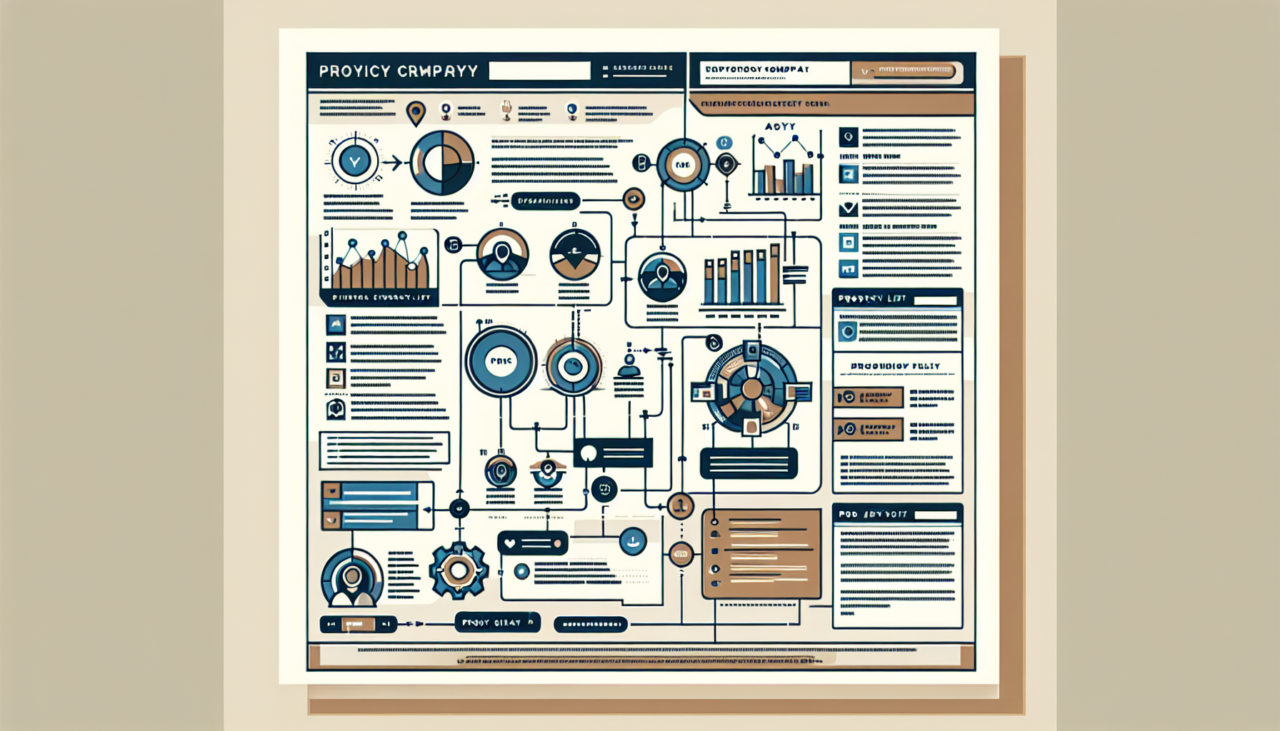
Understanding Proxy Lists: An Intricate Tapestry of Online Anonymity
In the vast digital expanse, where data flows like a river and anonymity is both a shield and a sword, proxy lists emerge as indispensable tools for users seeking to navigate the complexities of the web. These lists, often underestimated in their significance, serve as gateways to a myriad of possibilities—be it circumventing geo-restrictions, enhancing privacy, or conducting research without leaving a digital footprint.
What is a Proxy List?
At its core, a proxy list is a compilation of proxy servers that users can employ to reroute their internet traffic. Each entry in a proxy list typically includes several key attributes:
- IP Address: The unique identifier of the proxy server.
- Port Number: The entry point for connecting to the proxy.
- Country: The geographical location of the proxy server, which often influences its effectiveness for bypassing regional restrictions.
- Type: The nature of the proxy, such as HTTP, HTTPS, SOCKS4, or SOCKS5, which determines its functionality and security level.
- Anonymity Level: A designation that can be transparent, anonymous, or elite, indicating the degree to which the user’s original IP is concealed.
Proxy List Comparison: A Structured Example
To illuminate the distinctions among various proxy servers, consider the following comparison table that encapsulates critical attributes of different proxies derived from a typical proxy list:
| Proxy Type | IP Address | Port | Country | Anonymity Level | Use Case |
|---|---|---|---|---|---|
| HTTP | 192.168.1.1 | 8080 | USA | Transparent | Basic web browsing |
| HTTPS | 192.168.1.2 | 443 | UK | Anonymous | Secure browsing, online banking |
| SOCKS4 | 192.168.1.3 | 1080 | Germany | Elite | Torrenting, P2P file sharing |
| SOCKS5 | 192.168.1.4 | 1080 | Japan | Elite | Advanced web scraping, gaming |
Deep Dive into Proxy Types
-
HTTP Proxies: These are the most basic form, facilitating web browsing without encryption. They’re suitable for general tasks but leave users vulnerable to interception.
-
HTTPS Proxies: Adding a layer of encryption, these proxies secure communications between the user and the server, making them ideal for sensitive transactions.
-
SOCKS4 and SOCKS5 Proxies: These proxies support a broader range of traffic types beyond HTTP, including FTP and SMTP. SOCKS5, in particular, offers enhanced security features, making it well-suited for activities such as torrenting and gaming, where speed and anonymity are paramount.
Real-World Use Case: The Scraper's Dilemma
Consider the realm of data scraping, where businesses seek to harvest insights from competitors or market trends. In this context, a well-structured proxy list becomes critical.
Imagine a marketing analyst tasked with gathering pricing data from a competitor’s website. Without proxies, repeated requests from a single IP address could trigger anti-scraping measures, resulting in temporary bans or captchas that hinder progress. By utilizing a diverse proxy list, the analyst can rotate through multiple IP addresses, effectively mimicking organic traffic patterns.
In this scenario, the difference between a successful data harvest and a frustrating dead end lies in the meticulous selection and utilization of a proxy list. With the right combination of anonymity levels and geographical diversity, the analyst not only circumvents restrictions but also maintains the integrity of their own data, all while weaving through the digital landscape like a phantom—seen but never caught.
Conclusion: The Art and Science of Proxy Lists
Proxy lists are not merely collections of IPs and ports; they are the very essence of strategic maneuvering in the digital domain. For tech enthusiasts and industry veterans alike, understanding the nuances of proxy lists transforms an otherwise mundane task into an art form—an intricate dance of technology and intention. In a world where data is both the new oil and a battleground for privacy, mastering the use of proxy lists is not just beneficial; it is essential for anyone serious about navigating the complexities of our interconnected existence.
In this age of digital sophistication, may your journeys through proxy lists be both enlightening and empowering.

Comments (0)
There are no comments here yet, you can be the first!