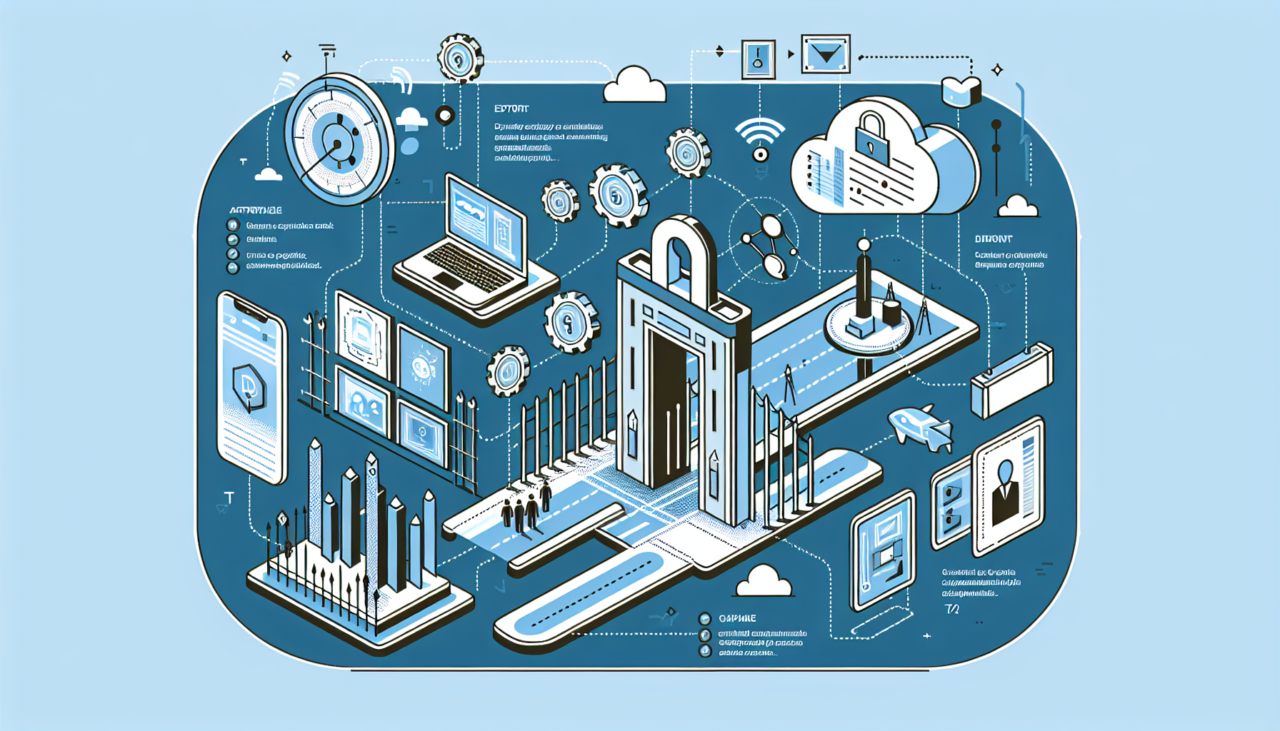
Advanced Breakdown of Gateway for Proxy Users
A Gateway is a crucial component in networking, acting as a point of access and control between different networks, specifically between a client and a server. In the context of proxy users, a gateway serves as an intermediary that facilitates communication, enables security features, and often enhances performance.
What is a Gateway?
- Definition: A gateway is a hardware device or software application that acts as a “gate” between two networks. It translates communication protocols, allowing devices from different networks to communicate effectively.
- Functionality: Gateways can perform various functions, including protocol conversion, traffic management, and data routing. They often incorporate features such as firewalls, VPNs, and caching mechanisms.
How Gateways Work for Proxy Users
When proxy users connect to the internet, their requests are routed through a gateway that acts as a proxy server. This setup has several benefits, including enhanced privacy, security, and control over data traffic.
- Request Handling: A proxy user sends a request to access a resource on the internet. The gateway intercepts this request and forwards it to the intended destination.
- Protocol Translation: If the protocols of the client and the destination server differ, the gateway translates the protocols, ensuring seamless communication.
- Security Features: Gateways often include security measures such as SSL encryption, access controls, and intrusion detection systems to protect proxy users from malicious attacks.
- Caching: Frequently accessed resources can be cached by the gateway, which speeds up response times for proxy users and reduces bandwidth consumption.
Comparison Table: Gateway vs. Proxy Server
| Feature | Gateway | Proxy Server |
|---|---|---|
| Definition | Connects two different networks | Acts as an intermediary for requests |
| Functionality | Protocol conversion, traffic routing | Content filtering, anonymity |
| Security Features | VPN, firewall, intrusion detection | Anonymity, IP masking |
| Performance | Can cache data, optimize routing | May cache data but primarily focuses on requests |
| Use Cases | Integrating different network types | Bypassing geo-restrictions, web filtering |
| Typical Users | Network administrators, large organizations | Individual users, businesses seeking privacy |
Real-World Use Case: Corporate Network Security
In a corporate environment, where data security is paramount, a gateway is crucial for proxy users who require secure access to the internet. For example, consider a financial services company that handles sensitive client data.
- Scenario: Employees need to access external financial databases and online resources while ensuring that client information remains secure and confidential.
- Gateway Implementation:
- The company implements a gateway that not only acts as a proxy server but also includes a firewall and VPN capabilities.
- When an employee attempts to access a financial database, the request is routed through the gateway.
- The gateway encrypts the data, ensuring secure transmission, filters harmful content, and prevents unauthorized access.
- Additionally, the gateway logs all requests for auditing and compliance purposes, providing a detailed trail of employee internet usage.
This setup not only allows employees to access necessary resources securely but also protects sensitive data from potential threats, demonstrating the critical role a gateway plays for proxy users in a corporate setting.
Conclusion
Gateways are integral to the functioning of proxy services, providing a secure and efficient means of communication between users and external networks. By understanding the distinctions between gateways and proxy servers, their functionalities, and their real-world applications, users can better leverage these technologies for enhanced security and performance in their network interactions.

Comments (0)
There are no comments here yet, you can be the first!