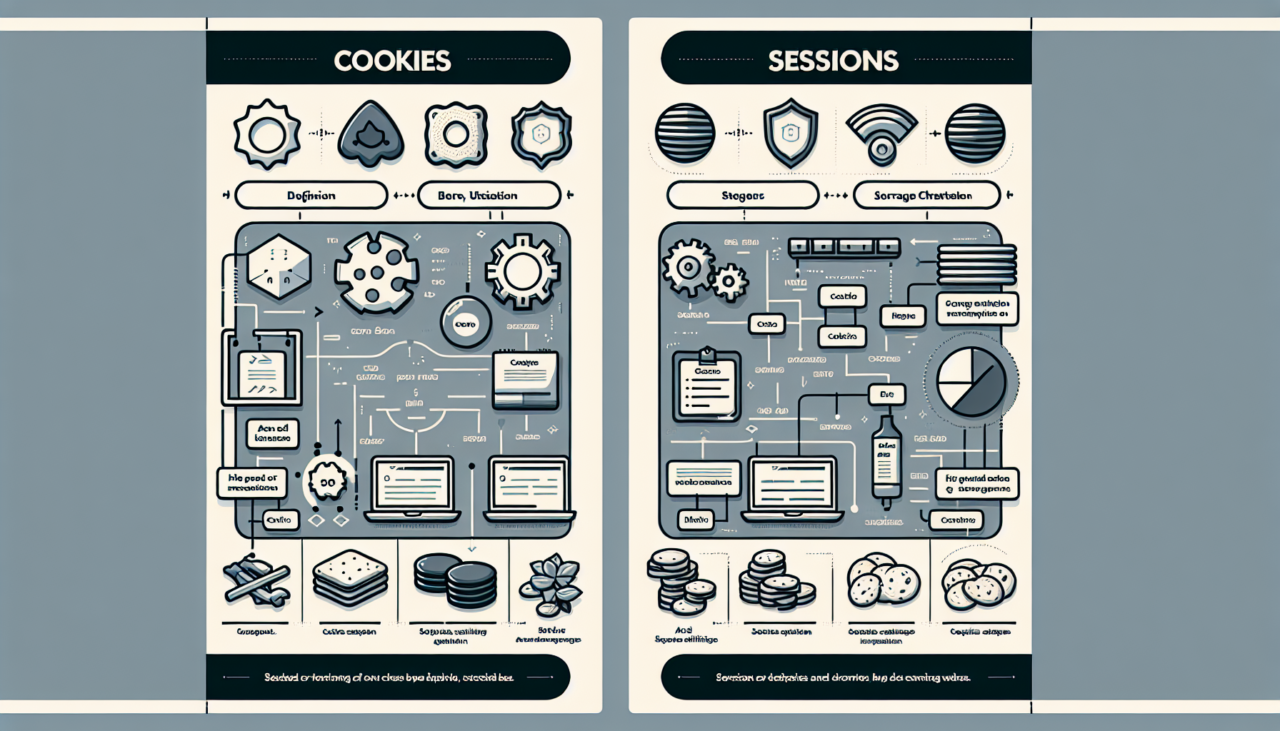
Cookies and Sessions: Navigating the Digital Tapestry for Proxy Users
In the vast and intricate expanse of the internet, where anonymity and security often dance a delicate waltz, Cookies and Sessions emerge as pivotal mechanisms that enhance user experience while allowing for the nuanced management of state. For proxy users—those individuals or entities that navigate the web through intermediary servers—understanding the interplay between these two concepts becomes crucial. As we delve into this topic, we shall unravel the complexities surrounding Cookies and Sessions, delineating their functions, differences, and real-world implications.
The Essence of Cookies and Sessions
Cookies: Small Files, Big Impact
A cookie is a small piece of data stored on the user's device by the web browser while browsing a website. Each time a user visits a site, the browser sends the cookie back to the server, allowing the website to recognize the user and remember information about their visit.
-
Persistent Cookies: These are stored on the user's device and remain until they expire or are deleted. They are typically used for remembering login information or user preferences across sessions.
-
Session Cookies: These cookies exist only for the duration of the user’s session. They are deleted once the browser is closed and are often used to track the user’s activity within a single session.
Sessions: The Dynamic State Holders
A session refers to a server-side storage of user data that persists across multiple requests. Unlike cookies, which are stored client-side, a session is maintained on the server, with a unique session ID assigned to each user. This ID is often stored in a cookie or passed via URL parameters.
-
Session Storage: The data within a session can range from user authentication details to user-specific preferences or states, enabling a cohesive and personalized experience.
-
Lifecycle: Sessions have a predefined lifespan, which can be configured based on inactivity timeouts or user logouts.
Comparison Table: Cookies vs. Sessions
| Feature | Cookies | Sessions |
|---|---|---|
| Storage Location | Client-side (browser) | Server-side |
| Lifetime | Persistent or session-based | Temporary, until expiration or logout |
| Data Size Limit | Typically 4KB per cookie | Limited by server memory |
| Security | Vulnerable to XSS and CSRF attacks | More secure, as data is not exposed in the browser |
| Usage | User preferences, tracking | User authentication, temporary data |
| Accessibility | Accessible across tabs/windows | Scoped to the session context |
Real-World Use Case: Proxy Users and E-commerce
Imagine a proxy user browsing an e-commerce platform to scout for the best deals. In this scenario, Cookies and Sessions play critical roles:
-
User Tracking: As the user navigates through product listings, Cookies are employed to remember their preferences, such as language settings and recently viewed items. This enhances the user experience by presenting more relevant content during future visits.
-
Session Management: As the user adds items to their shopping cart, the server establishes a session. Each time the user adds or removes products, the session data is updated without needing to reload the entire page. This seamless interaction is vital, especially in an environment where users may be accessing the site through a proxy to mask their identity or to bypass geo-restrictions.
-
Security and Anonymity: For proxy users, maintaining anonymity is paramount. Sessions help keep sensitive data secure on the server, reducing the risk of exposure. The session ID, often stored in a cookie, enables the server to authenticate the user while ensuring that their actions remain anonymous.
-
Fraud Prevention: E-commerce platforms often implement measures to detect unusual patterns in session behavior. For instance, if a session is initiated from a different IP address (common for proxy users), the system may prompt additional verification steps, safeguarding both the user and the business.
Conclusion
In the ever-evolving digital landscape, where privacy and personalization are increasingly intertwined, Cookies and Sessions serve as foundational elements that empower proxy users to traverse the web with both security and ease. By understanding these mechanisms, users can enhance their online experiences while maintaining the anonymity that proxies afford them. As we look to the future, the interplay between user data, security, and privacy will continue to shape the way we interact with the web, making it imperative for both novices and veterans to remain informed and agile in their digital endeavors.

Comments (0)
There are no comments here yet, you can be the first!